Swedish immigrants have had a significant impact on Minnesota. Culturally and economically, the importance of Swedish immigration is almost impossible to overstate. In 1867, the state of Minnesota established an official State Board of Immigration. It’s not a coincidence that the first secretary of the Immigration Board was himself a Swedish immigrant and lawyer, Hans Mattson. Swedish immigration was a major issue for all the states in the region at the time. Between 1820 and 1920, about 1.3 million Swedes immigrated to the United States, according to the Carver County Historical Society (CCHS). The Minnesota State Board of Immigration was created to attract as many of those new citizens to the state as possible.
Andrew Peterson, who arrived in Minnesota in 1857, was part of that great Swedish population movement, and the CCHS is working on the restoration of the Andrew Peterson Farmstead. Even before the historical society undertook the restoration of the farmstead, Peterson was a well-known historical figure. The diaries that he kept— from the time he left Sweden to travel to Minnesota until his death in 1898—were used as research for a series of four novels by well-known Swedish writer Wilhelm Moberg (The Emigrant Novels). Peterson’s diaries also have been useful research tools for historians, and they are now being utilized to recreate his farm and home near Waconia.
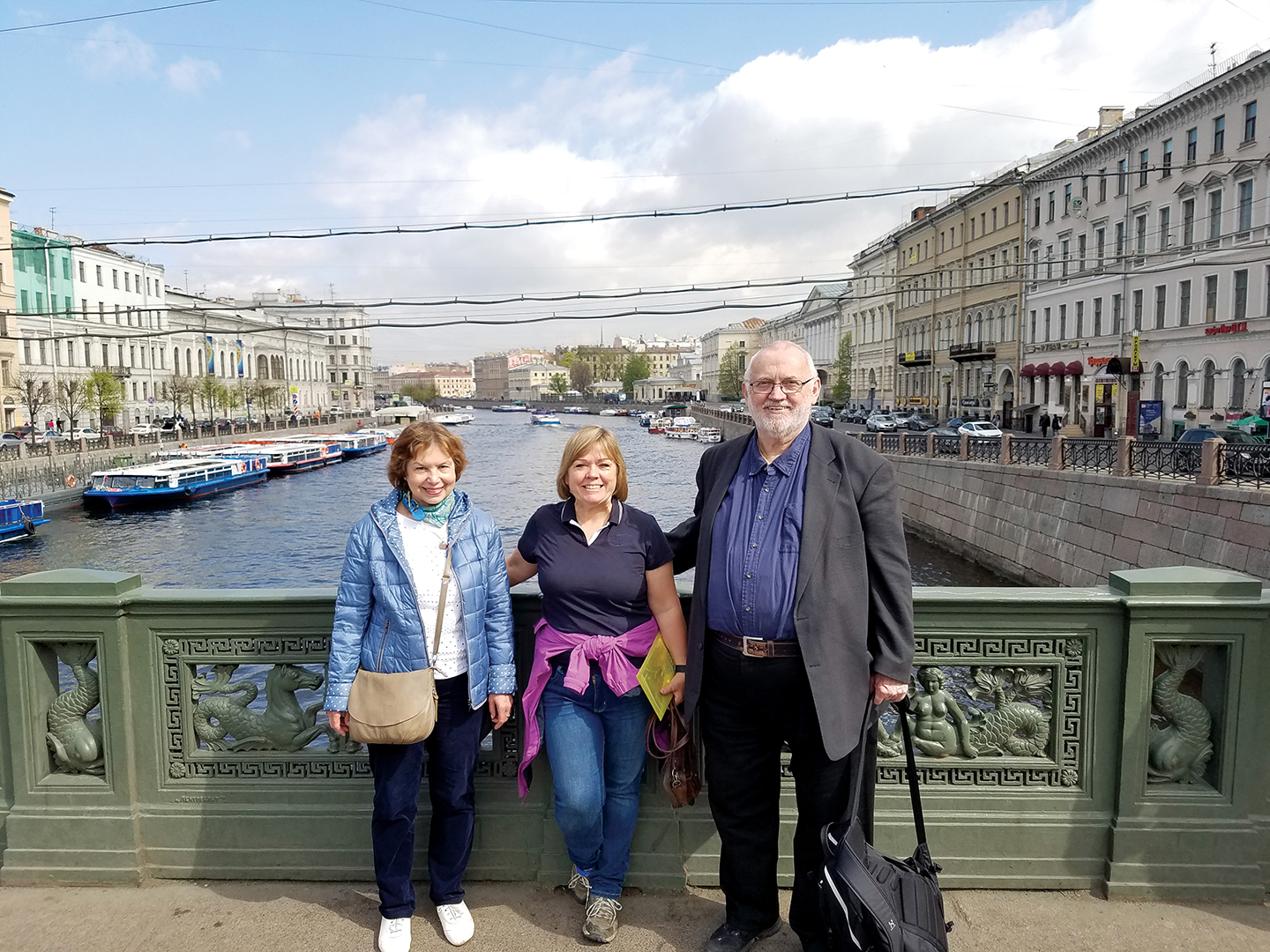
CCHS executive director Wendy Petersen Biorn used a month-long journey across Sweden, Iceland, Russia, Denmark and Belgium last summer to deepen her understanding of those valuable diaries. The trip wasn’t all research, though. Among other highlights, she was able to explore her own roots in Denmark. “It was like four trips of a lifetime,” she says. The professional focus of her trip, however, was conducting research in Sweden to better understand how to restore the Andrew Peterson Farmstead. Her travel was partially underwritten by the Lilly Lorénzen Scholarship, which she was awarded in 2016 by the American Swedish Institute.
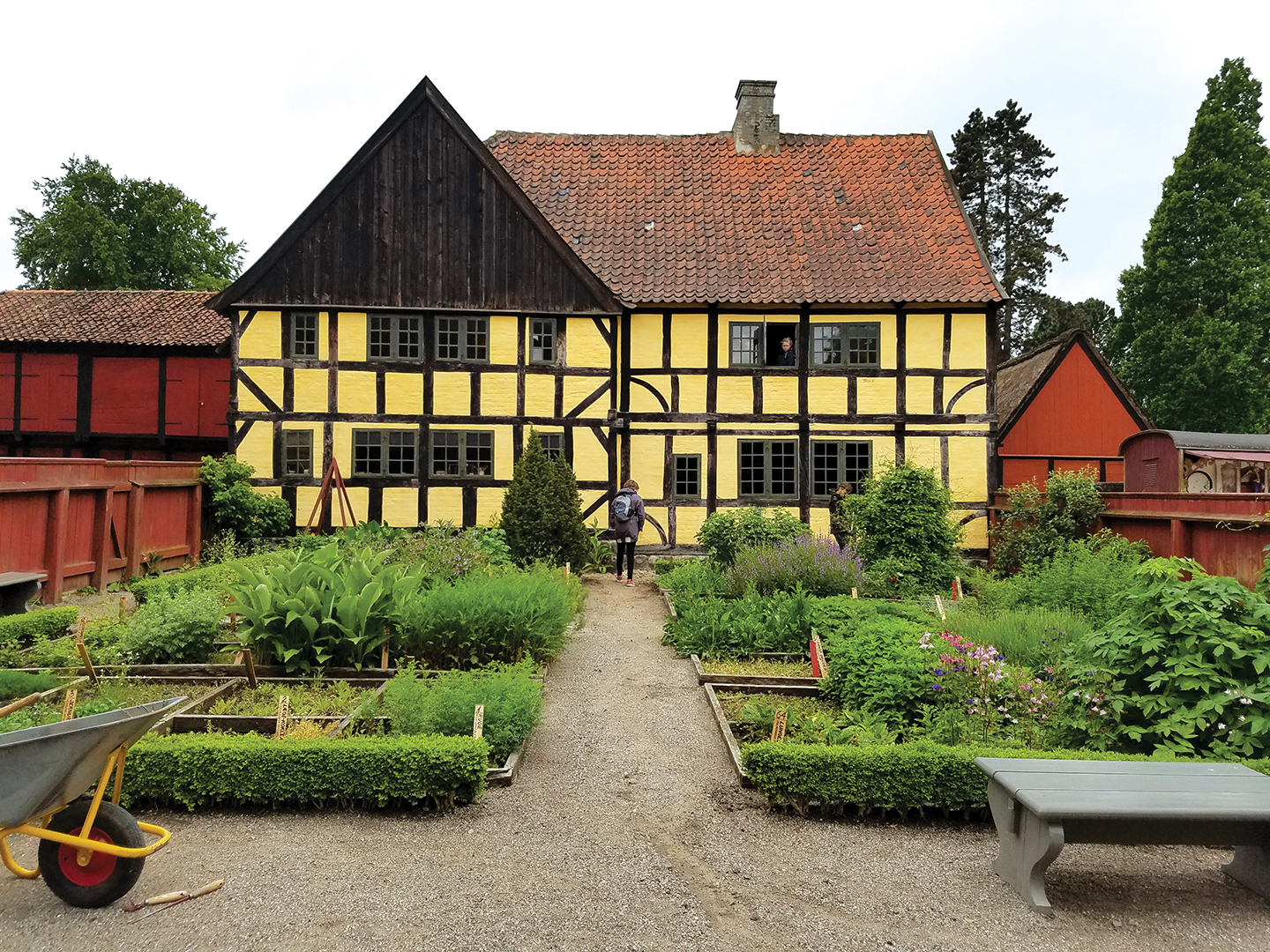
There were some legal issues and negotiations as the historical society has taken possession of the portion of the farmstead it is now moving to restore. Ultimately, the CCHS has been given about 12.1 acres containing the important historical structures.
Because he was part of a mass migration that changed the state—and the entire northern plains— Peterson’s farm has true historical significance. More than just a curiosity, the farm is a window into a pivotal moment in American history. The CCHS is fortunate that, in addition to the farm itself, it also has the original English translations of the diaries that Peterson kept, which provide a great deal of information about what was done on the farm and when. But, at times, the diaries raise as many questions as they answer.
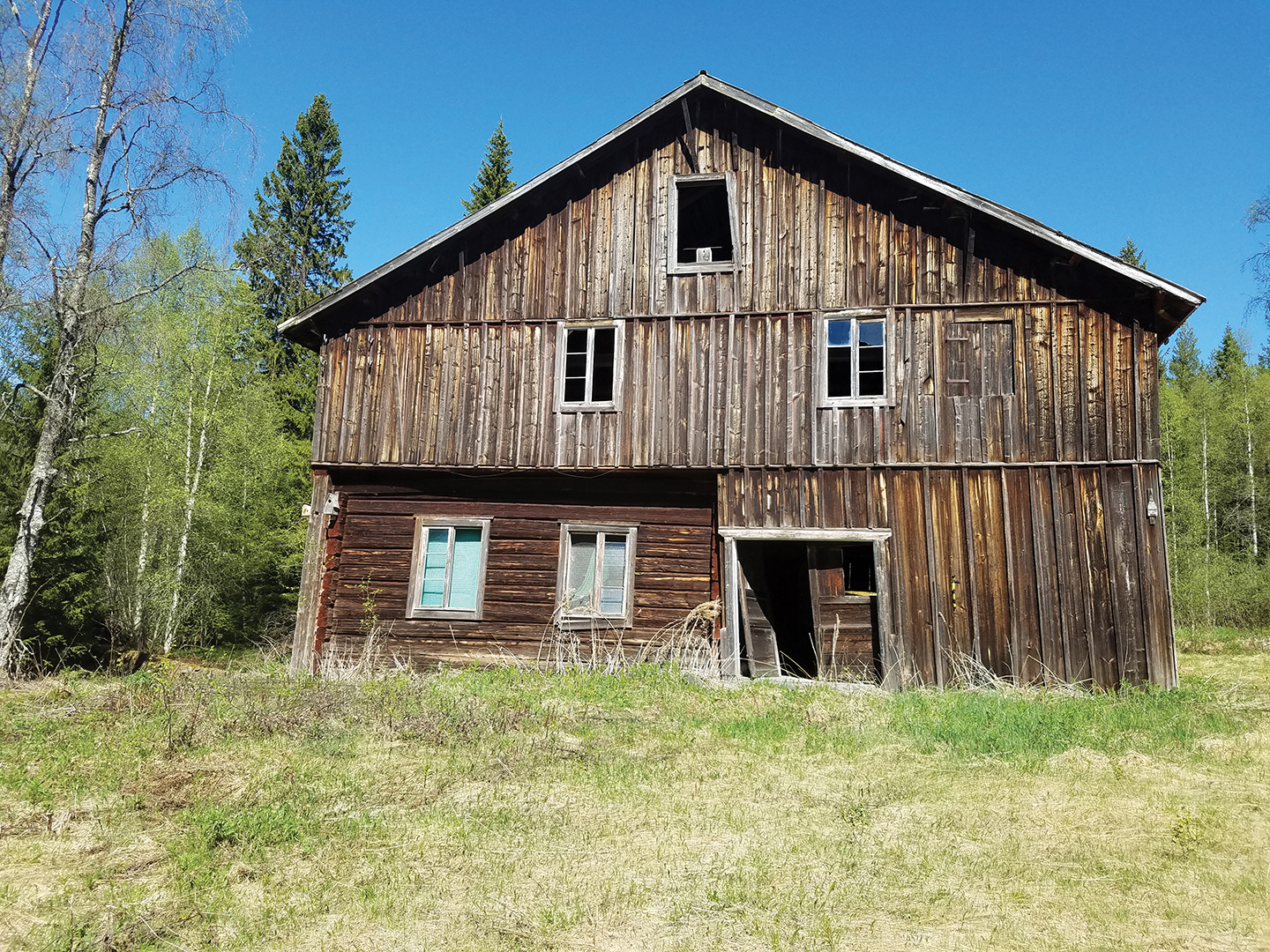
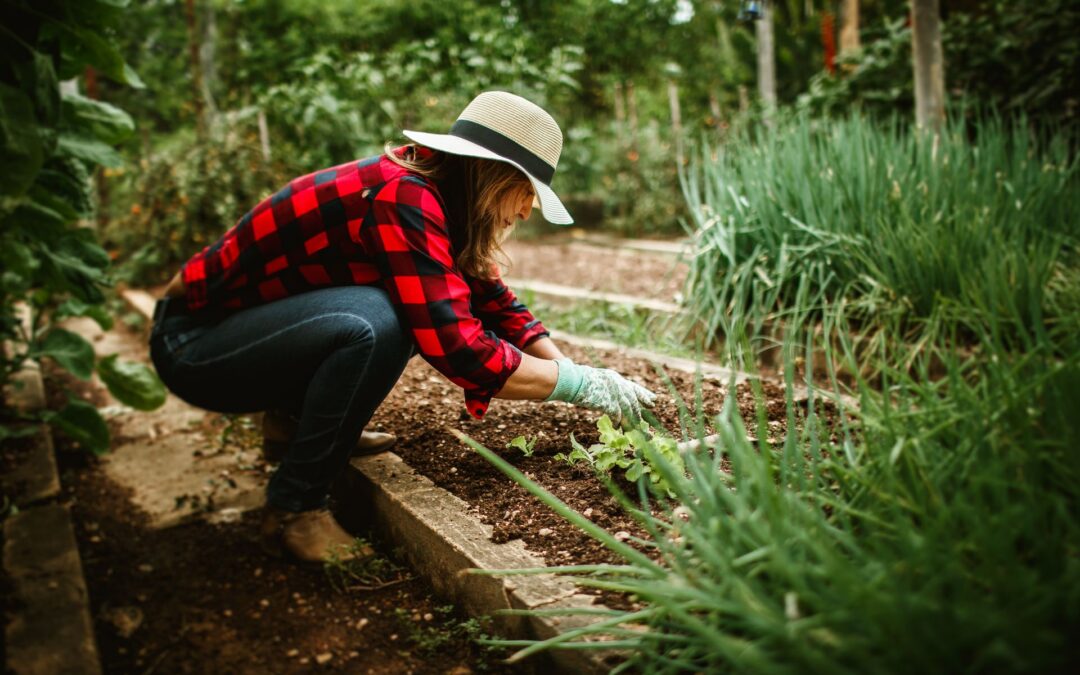
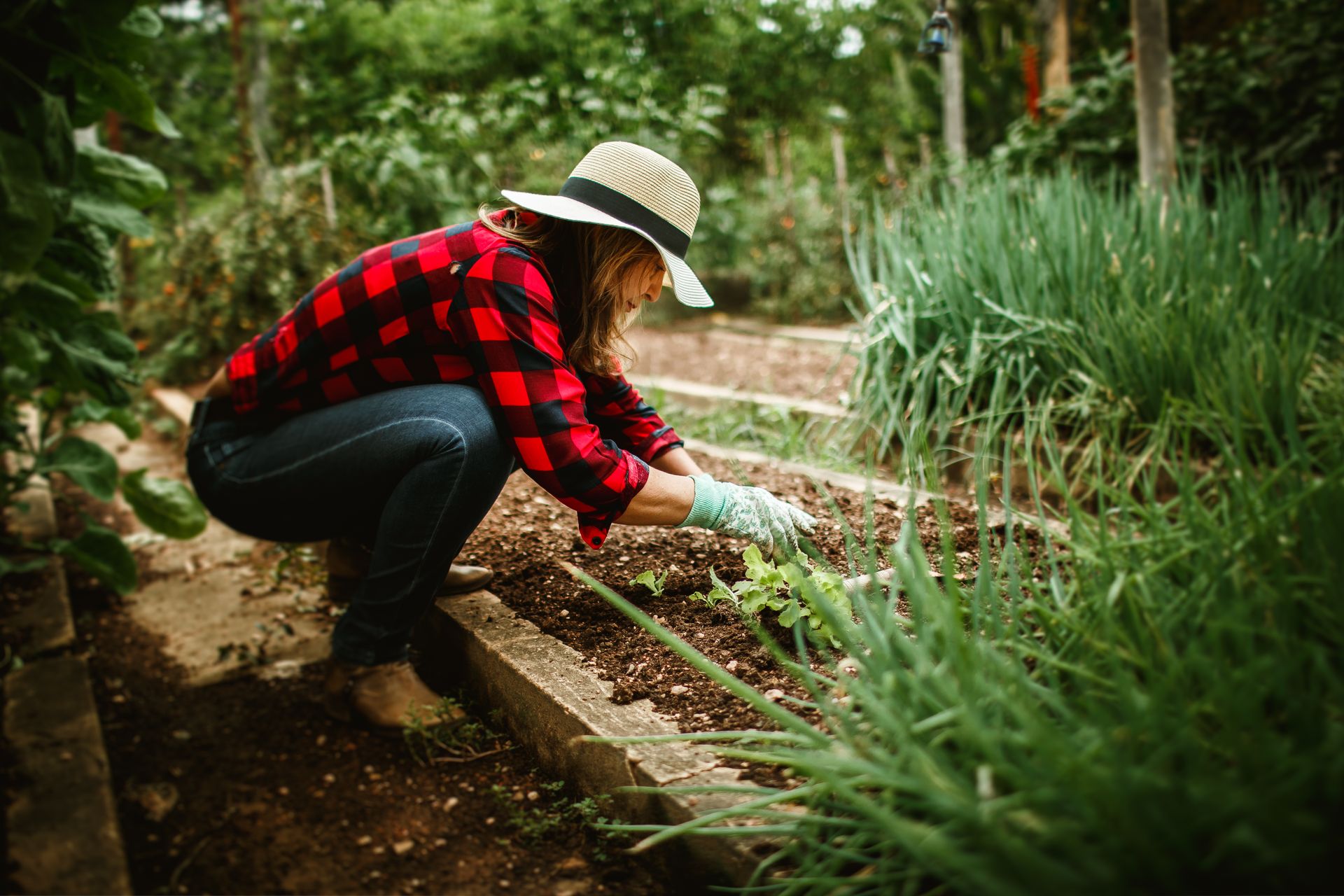
Petersen Biorn’s research in Sweden helped her understand what Peterson’s diaries really tell us. “How do we interpret the Peterson farm?” she wonders. On the one hand, there was a great deal of information available to the restorers, but on the other hand, much of it needed to be looked at through the eyes of a 19th Century Swedish farmer. “We were at a loss as to what do we plant in the fields,” Petersen Biorn says. “What would’ve been in a Swedish kitchen?”
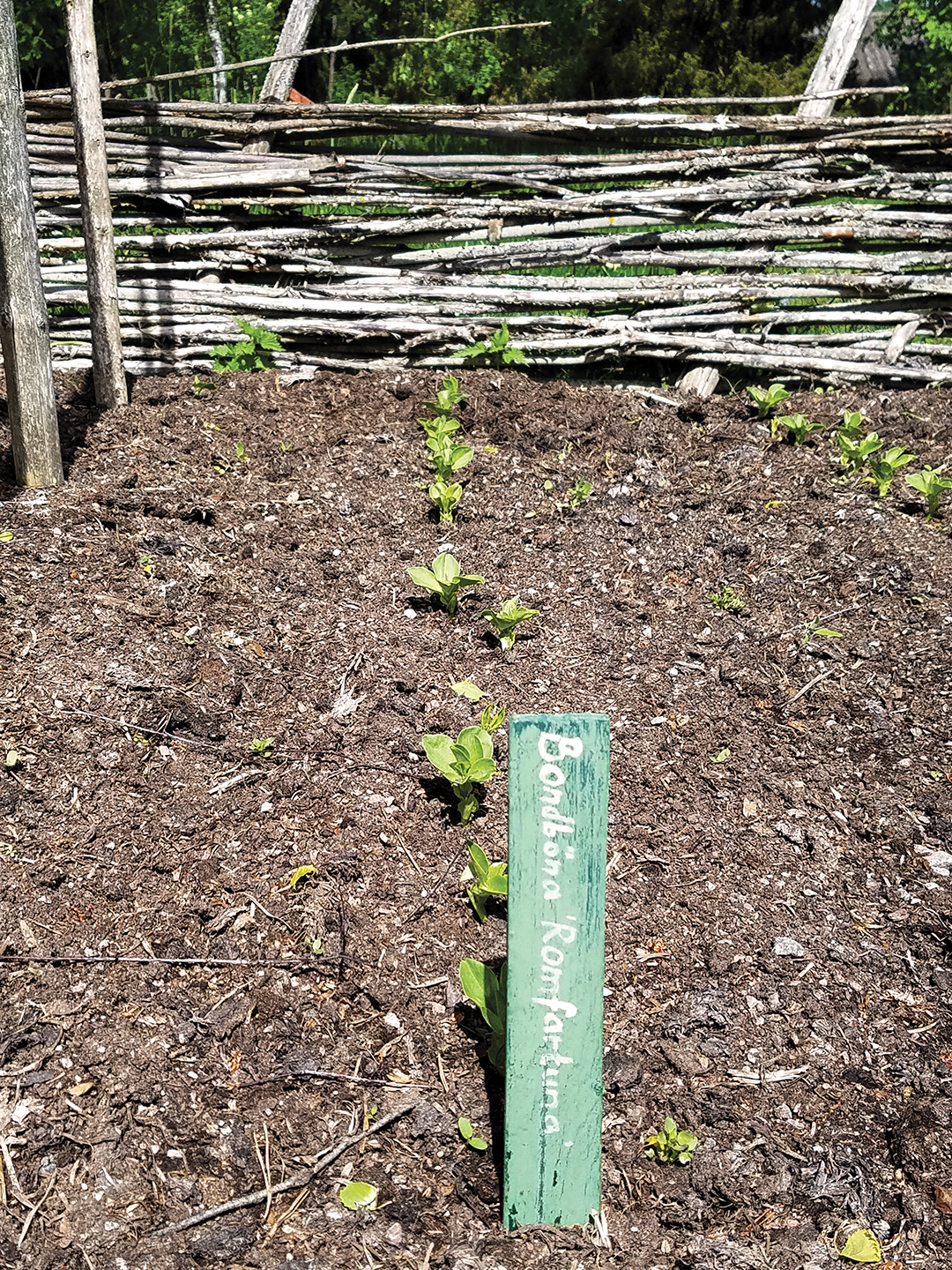
Once she began to research the answers to those questions in Sweden, a lot of elements came into focus. For example, Peterson noted in his diary that he was planting “korn.” Petersen Biorn says that they didn’t know what that meant. Was it just a creative spelling of the word corn, and would it have been an American variety available in Minnesota at the time? It became much clearer when she learned that the Swedish word “korn” actually meant a wide range of grains—in this case, it turned out to be barley.
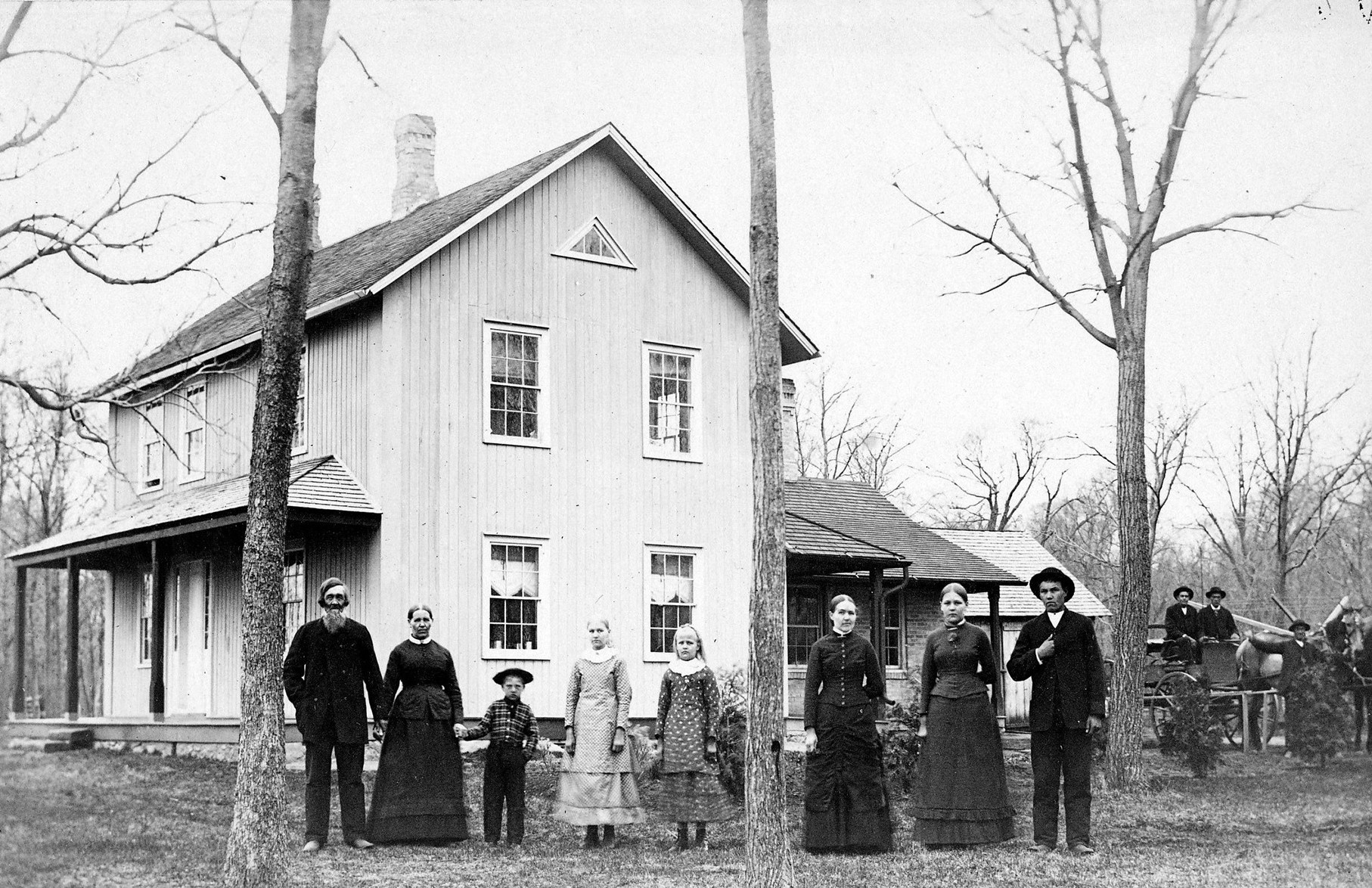
Petersen Biorn had a number of those kind of “aha!” moments as she researched agricultural practices of the time period in Sweden to try to understand what Peterson might have brought with him—in terms of knowledge and practices, as well as possessions—when he moved to America.
Petersen Biorn says that restoration is a fluid and dynamic process. As the farm grew and Peterson became more Americanized, he gleaned different methodologies and adapted to his adopted home. Petersen Biorn says she has a way of looking at the changes on the farm over the decades that Peterson farmed there. “You date a quilt by looking at the newest piece of fabric,” she says. “The oldest piece could have been saved for years, but the newest piece tells you when the quilt came together.” That’s how the changes on the farm are incorporated into the restoration project. There isn’t a fixed date that CCHS wants to hold fast to, as the goal is to restore the farm as a living part of a complex history.
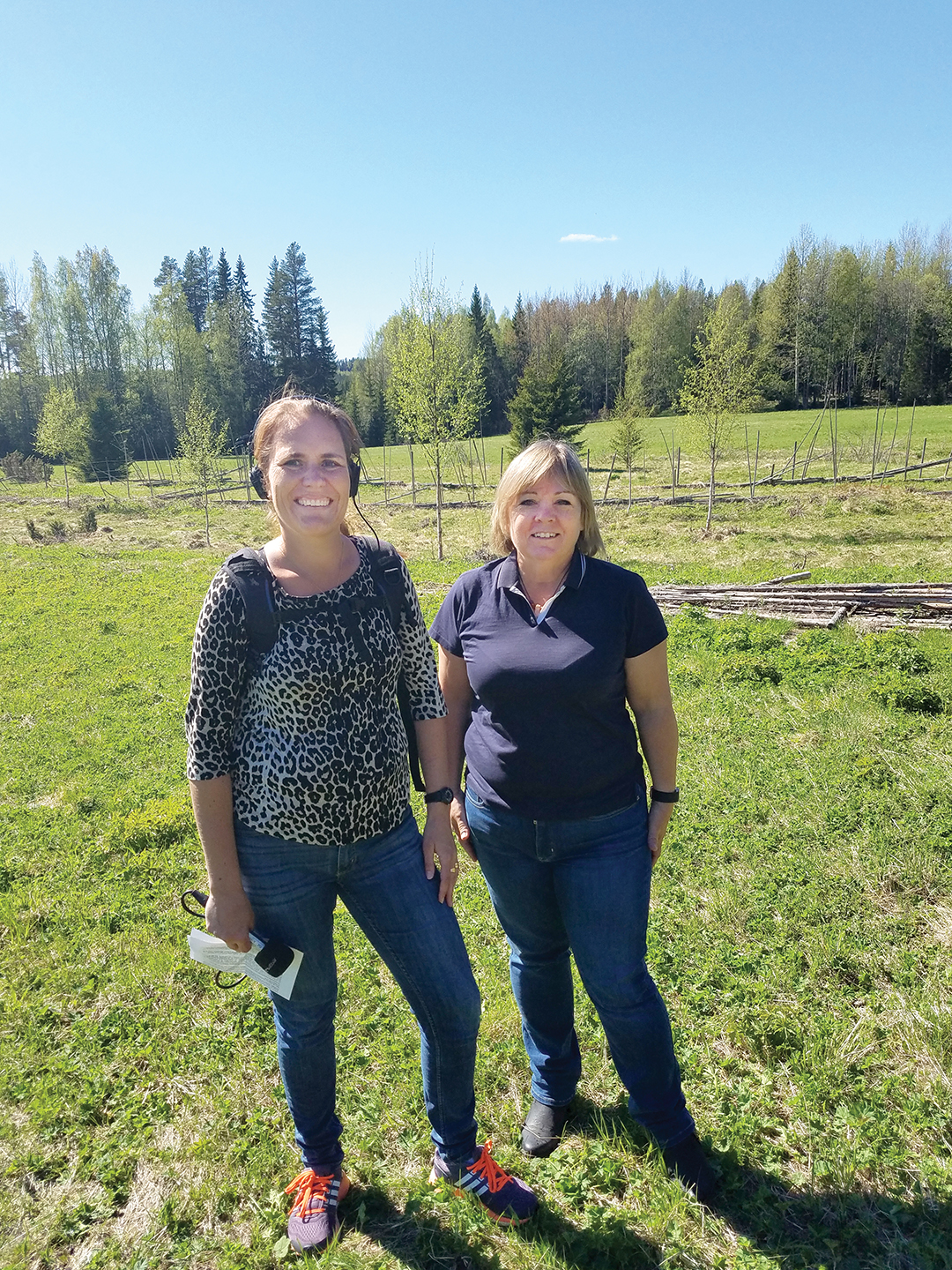
Petersen Biorn says that she looks forward to applying all she learned on her travels to this important project. She says that Peterson played an important role is his community during his lifetime—including his contributions to the apple orchard business. She also points out that his contributions have continued, well beyond his lifetime.
The CCHS believes that the fully restored farm will be a tourist attraction— especially for Swedish tourists, who are interested in seeing where members of their own extended families immigrated to during the century-long exodus of Swedes to America. The CCHS has known from the earliest days of this project that the farm needs to generate revenue in order to survive. To that end, the first fully restored structure, the north barn, has already been used for a wedding and graduation celebrations. There are plans for other buildings to be used for educational and cultural events and community gatherings.
There is more than one way view the Peterson story. “One part of the story is about immigration,” Petersen Biorn says. Not just this particular wave of Swedish immigrants, but the history of immigrants coming to America. “It is about the way immigration changes our communities and enriches our culture,” she says.
Carver County Historical Society 555 W. First St., Waconia; Andrew Peterson Farmstead, 8060 Highway 5, Waconia. Tours available by appointment.