A chair from the 1930s may look like an old, outlived piece of junk to some, but to Waconia resident Amy Rottunda, it’s an opportunity. She built a business out of her artistic vision, and House Language Studio’s mantra is “pairing salvaged goods with authentic materials producing a one of a kind belonging.”
As of now, chairs are Rottunda’s sweet spot. She sees potential in chairs that have overstayed their welcome in one family or need a makeover to stay relevant in another and gives them a second chance. “I would see furniture sitting by the side of the road, and it was free or someone was throwing it away,” Rottunda says. “People don’t want to put the money in anymore, and they don’t want to fix it anymore, but if somebody else does, we can save it from going into the landfill and create something beautiful and original.”
In her former business, House Language Senior Move Management Services, which began in 2013, Rottunda saw a lot of furniture head to the landfill. Her job involved helping older individuals decide what items they should take from their former homes to their new senior housing arrangements. She also helped them figure out how to disperse the remaining items. “For a lot of those seniors, their families didn’t want their antiques or heirlooms because they’re not really desirable anymore,” Rottunda says. “They’re not on trend.”
After seeing furniture end up in a landfill, along with the desire to get back into something more creative, Rottunda came up with the idea of reviving the previously used pieces. In a word, the inspiration behind her business is: recycling. (While Rottunda does interior design work, chair revitalization is her specialty and primary focus. The chair specialty began in April 2018, as House Language Studio.)

About half of Rottunda’s projects are client-based, and the rest she develops on her own. Her pieces are shown in galleries and stores, and some were featured in the Arts Consortium of Carver County in Victoria. Sometimes Rottunda finds furniture to revive on the curb. Other times, she has previous clients ask if she is interested in a piece of furniture she has worked with before, and they no longer want. A lot of the time, she goes to garage sales.
In Rottunda’s work, authors Christopher Alexander and Sarah Rossbach influence her for their practical approach to design that adapts to trends, which is similar to her philosophy. The basis of her revitalization rests in the history of the chair itself. “What’s important to me and my pieces is that there is a historical relationship between the fabrics and the fabric pattern with the era of the chair,” Rottunda says. She also gleans inspiration and motivation from traveling to museums and visiting avant-garde artists locally and in major cities, like Los Angeles and New York City.
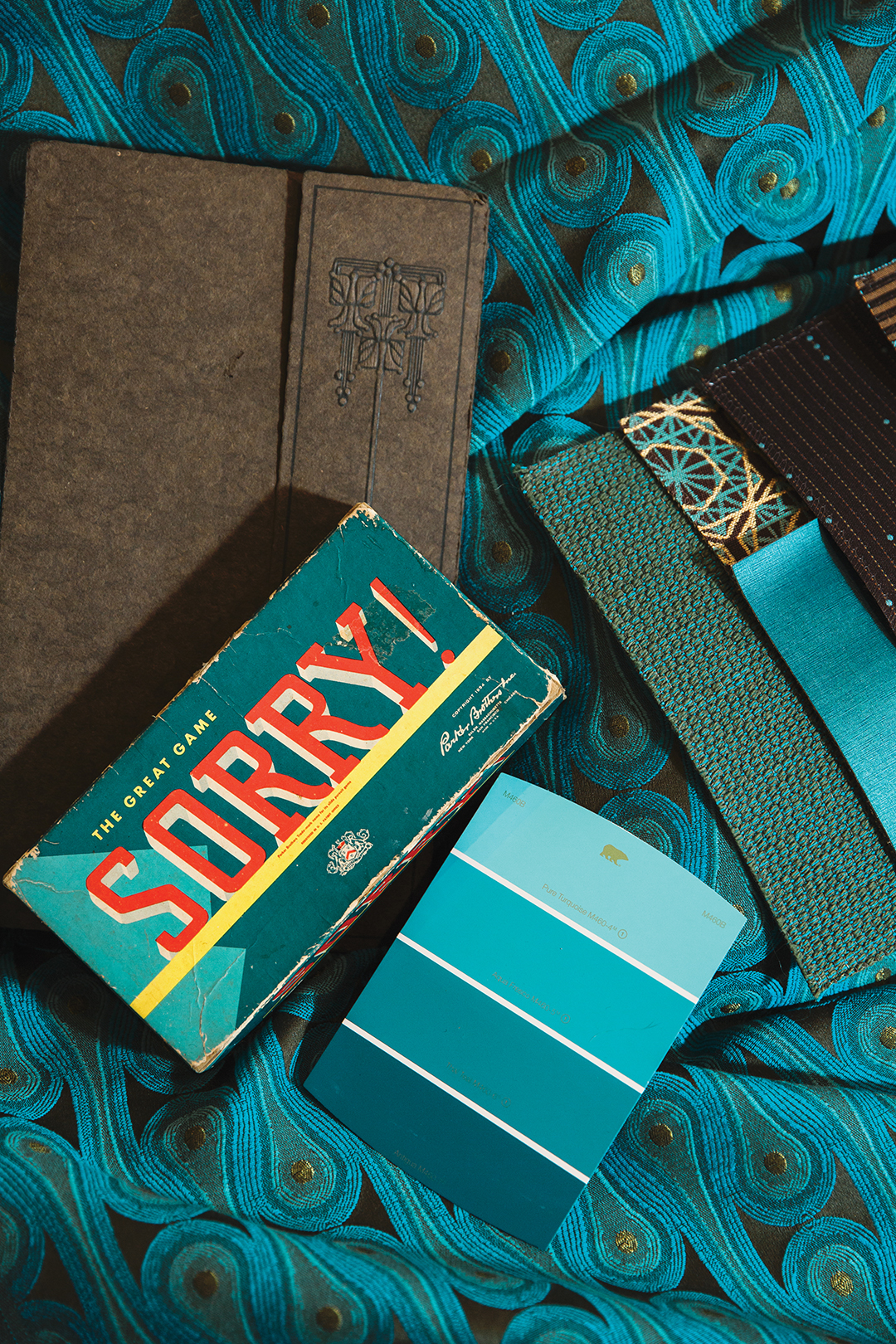
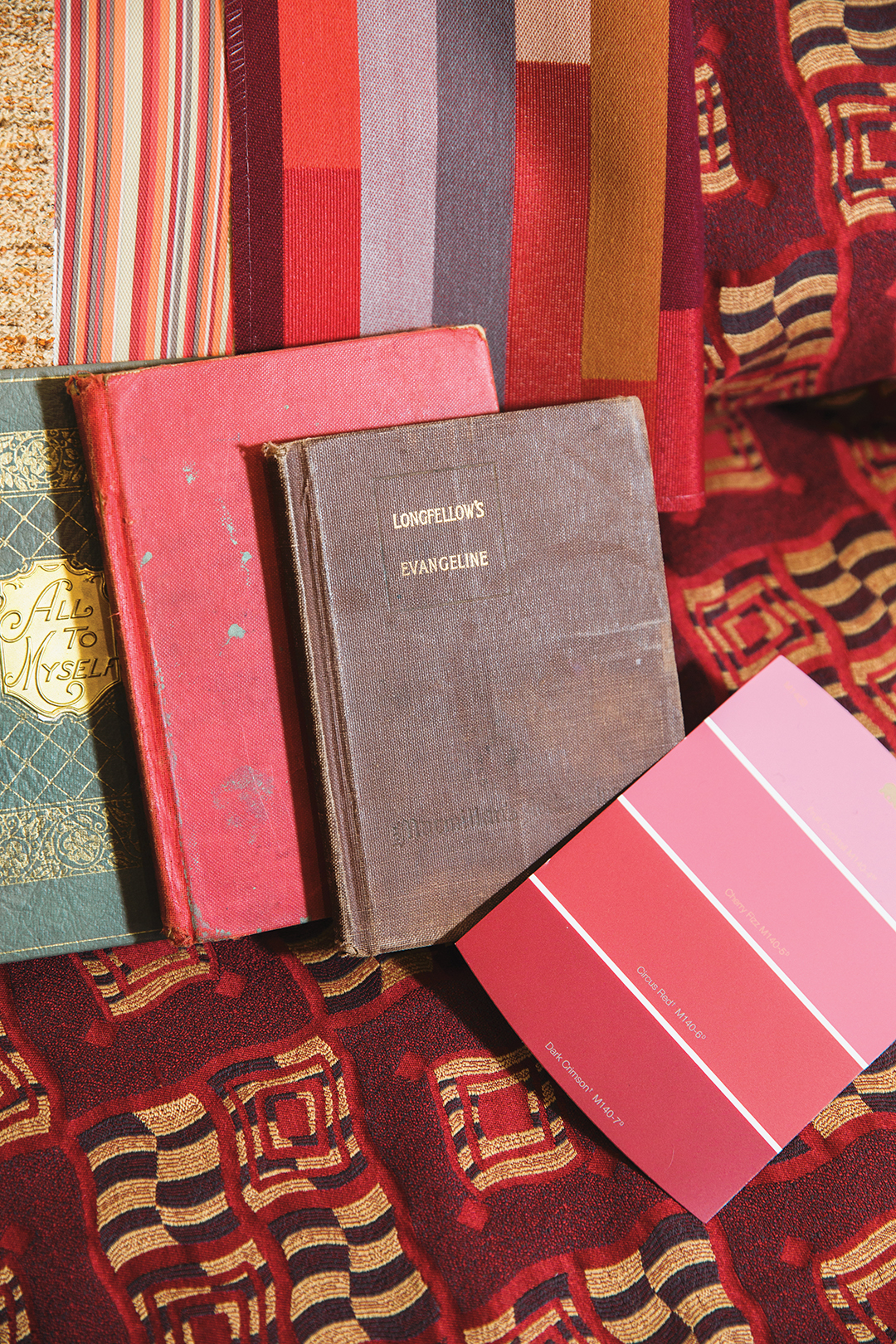
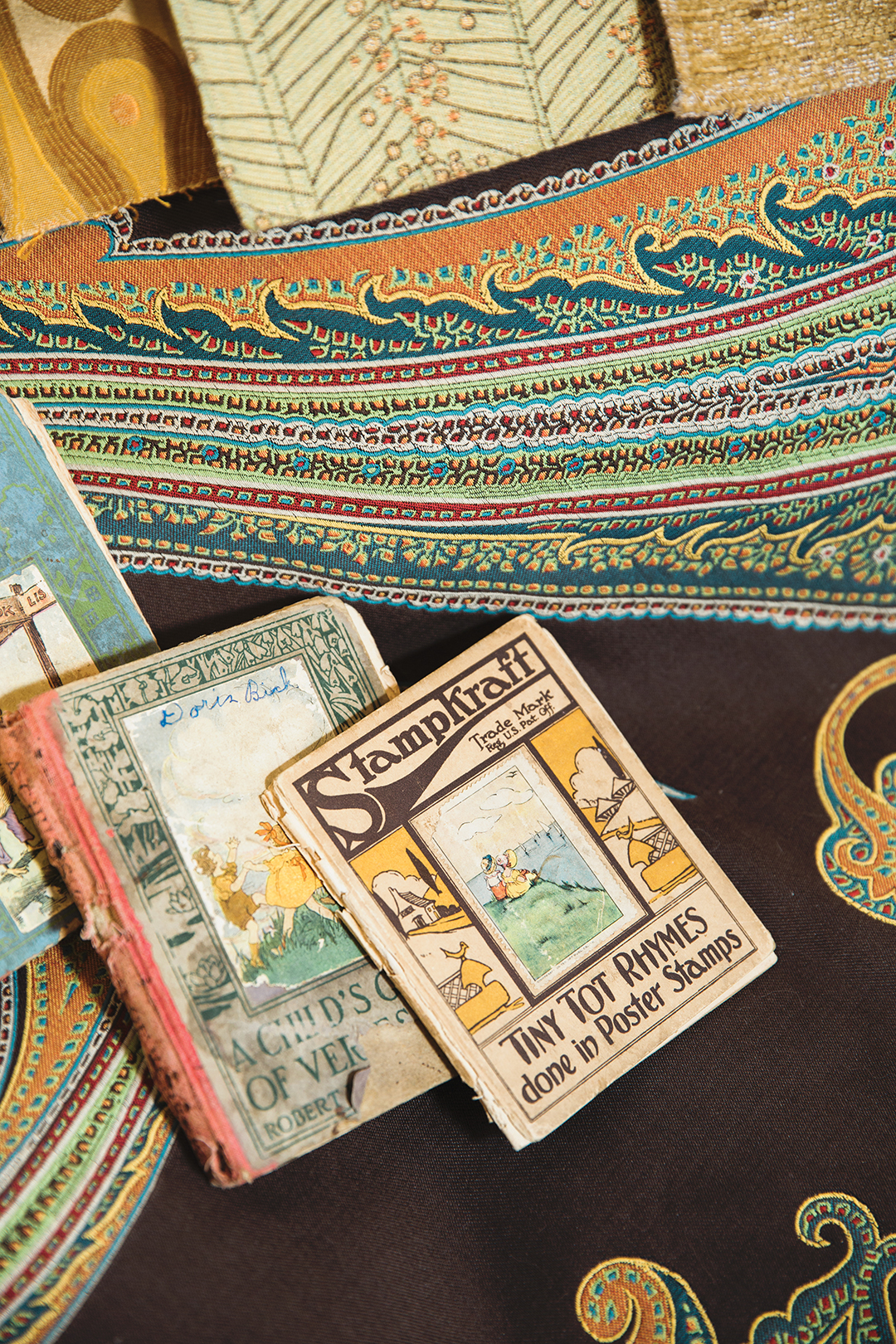
When giving a chair a makeover, she takes it to an upholsterer at Everafter Upholstery in Minnetonka, who strips it down to the bones. The upholsterer may replace existing weakened materials if necessary, which Rottunda says is done without sacrificing the integrity or history of the chair itself. Once stripped down, the upholster replaces the fabric with the new material of Rottunda’s choosing. For one set of chairs with a brown velvet fabric built around the 1900s, she opted for a new fabric pattern called Peacock by Josef Hoffman, which was created in 1913, to maintain that connection between the chair and the fabric.
Rottunda finds fabrics through sales representatives at textile manufacturers she knows from the bulk of her interior design practice in the corporate and healthcare arenas. “Most of the manufacturers I work with, those fabrics are not available to the general residential population,” Rottunda says. “You really kind of have to be an interior designer or an architect to even be able to find these textile manufacturers.” She has been in the interior design business for over 30 years and received her fine arts degree in interior design from Iowa State University, Ames.
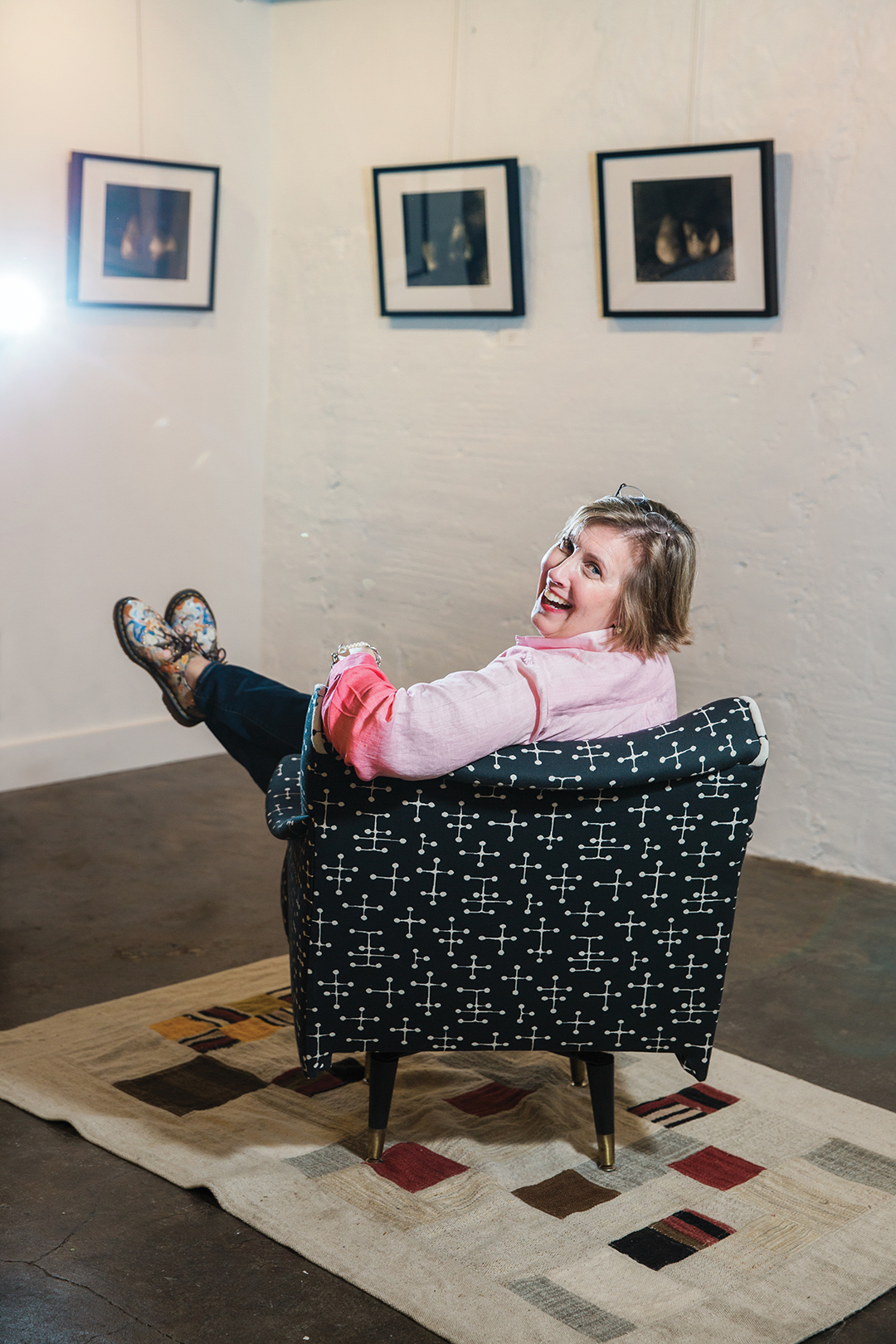
What’s unique about Rottunda’s pieces, aside from the history and one-of-a-kind nature, is that she names them and gives them a backstory, if they don’t already have one. Take Betty, for example. Betty is a mid-century swivel chair with a modern steel frame. Betty resided in the home of her owners, (also named) Betty and her husband. The chair was first delivered to their home in Edina in 1955, and it remained there until the time came when Betty’s children needed to dispurse of a lifetime of belongings.
Rottunda came across the Betty chair unexpectedly. She went to the estate sale, hosted by Betty’s children, to view a particular piece of furniture that was being sold at the event. By the time she got there, that piece was gone, but the Betty chair was in the laundry room. And it was marked for free. “They weren’t even advertising it,” Rottunda says. “Those are the best finds.”
The idea of naming her work originated from her role as a senior move manager. “[Clients] would tell me ‘Well, I want to bring Oaky,’ and Oaky would be this big oak cabinet,” she says. “When someone is looking for something, usually the kids or the husband, it’s the woman of the house who always says ‘Well, it’s in Oaky,’ and that’s how people would remember where stuff was.” She adopted this idea to give her chairs names based on the era they came from and what the owner may have been doing at the time the chair was manufactured. “It helps people connect and helps describe the personality and energy of the piece itself,” Rottunda says.
Betty the chair was showcased in a Linden Hills gallery Everett & Charlie. “I’ve had so many people comment on it, and I know [Betty is] going to find a good home really quickly,” says Suzie Marty, the curator of the gallery. “People are drawn to it immediately.” What makes Betty appealing, Marty says, is everything about her: the design, the structure, the story behind it. “[Rottunda] recreates these pieces, so it’s more than a chair,” she says. “It’s a functional piece of art that people are drawn to.”
Rottunda has other projects up for sale. It takes a long time to sell a piece she purchased herself. All of the money she puts into the piece, and the commission retail stores and galleries take, is reflected in the price tag. Her current pieces range from $800 to around $7,500. Regalia Men’s Clothier in Waconia hosted another one of her pieces named William, a 1900s gentleman’s dressing room chair. “It’s really sturdy to get up out of, and it’s really comfortable to sit in,” says Leanne Rindahl, the owner of the store. “People love it…you can tell it’s a unique piece, and people understand that.”
Not only do Rottunda’s chairs have names and stories that reflect meaning, so does the name of her business. House Language Studio was born out of her belief that homes provide a boundary and shelter for our belongings. She has always thought that belongings define where we came from, where we’d like to go and how we like to spend our time. “Our belongings become the vocabulary of our story,” Rottunda says. “The house is kind of like a canvas for that story.”
Rottunda’s favorite piece of furniture in her own home is The Big Kahuna, a large cabinet that came out of a jewelry store in Waconia. She only paid $50 for it. “The guy was like ‘If you can get it out of here, you can have it,’” she says. The cabinet, formerly painted black, now wears a lemon meringue color with black hinges and accents.
It’s particularly fun, she says, to do client-based projects because people go to her with a piece they see value in and want to invest in to give new life. “You are never ever going to find that particular chair with that particular fabric anywhere,” Rottunda says. “My chairs are an original work of art.”
House Language Studio
101 E. Lake St. Waconia; 612.819.9059